# Green Tea vs Herbal Tea: Understanding the Core Differences
Walk into any tea aisle and you'll see the word "tea" slapped on everything from chamomile to peppermint to classic Green Tea — but technically, only one of those is actually tea. It's a small distinction that trips up a lot of people, and understanding it can genuinely change how you shop, brew, and choose what's right for your body at different times of day.
So let's clear up the confusion: what actually separates **[Green Tea](https://mypekoe.com/collections/green-tea)** from Herbal tea, and why does it matter?
## The Plant Makes All the Difference
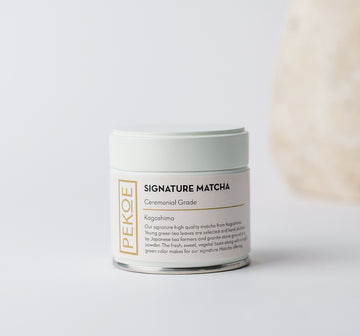
Real tea — green, white, black, oolong, pu-erh — all comes from a single plant: *Camellia sinensis*. Green Tea is simply leaves from this plant that are picked and quickly heated (steamed or pan-fired) to stop oxidation, which is what preserves its fresh, grassy character and that pale green color in the cup.
Herbal tea, on the other hand, isn't tea in the botanical sense at all. It's an infusion — technically called a "tisane" — made from dried flowers, roots, seeds, bark, or leaves of other plants entirely. Chamomile flowers, dried turmeric root, hibiscus petals, mint leaves — none of these come anywhere near the tea plant. They're grouped under "tea" purely by habit and convenience, not botany.
This distinction matters more than it sounds, because it directly explains the biggest practical difference between the two: caffeine.
## Caffeine: The Real Dividing Line
Green Tea naturally contains caffeine — usually somewhere between 25–45mg per cup, gentler than coffee but still an active stimulant. Paired with L-theanine, it delivers what many describe as clean, focused energy rather than a sharp jolt.
Herbal tea, being made from non-tea plants, is naturally caffeine-free. This is the main reason people reach for a cup of chamomile or peppermint in the evening, while Green Tea is reserved for mornings or midday — the body responds to them completely differently, and that's by design, not accident.
If your goal is a wind-down ritual before bed, Herbal tea is the obvious choice. If you're after alert, **[healthy tea](https://mypekoe.com/)**-driven energy to start your day, Green Tea is doing a job Herbal tea simply isn't built for.
## Flavor and Antioxidant Profiles Differ Too
Because Green Tea comes from one specific plant, its flavor profile — grassy, vegetal, slightly astringent, sometimes floral depending on the region — stays within a fairly consistent range. Its antioxidants, particularly catechins like EGCG, are well documented and tied specifically to the tea plant's chemistry.
Herbal teas are a much wider universe. Since they're made from dozens of different plants, their benefits and flavors vary enormously: hibiscus brings tartness and is often linked to blood pressure support; turmeric tisanes bring warmth and anti-inflammatory compounds; chamomile brings calming, sleep-friendly properties. There's no single "herbal tea benefit" the way there's a defined Green Tea benefit — it depends entirely on what's actually in the cup.
This is actually one of the most useful things to understand as a tea drinker: you're not choosing one category over another, you're choosing a *purpose*. Energy and focus point toward Green Tea. Digestion, sleep, or specific wellness goals often point toward a particular herbal blend instead.
## Sourcing Matters More Than the Category
Whether it's Green Tea or an herbal blend, the quality of sourcing changes the entire experience. A tired, over-processed Green Tea bag from a supermarket shelf won't taste — or perform — anything like fresh, properly harvested leaves. The same goes for herbal blends made with real, whole botanicals versus dust-and-fannings filler.
This is where a genuinely Organic tea supplier makes a visible difference. Pekoe, based in Dubai, sources its Green Tea directly from tea-growing regions across Japan, China, India, and Nepal, alongside **[white tea](https://mypekoe.com/collections/white-tea)** and a curated range of tisanes — all chosen for freshness rather than shelf life. It's a good example of how the line between "decent tea" and "excellent tea" often has less to do with the category and more to do with where the leaves actually come from.
## Which One Should Be in Your Cup?
There isn't a single right answer — the two aren't really competitors, they're tools for different moments:
1. **Need focus and steady energy?** Green Tea, ideally from a source that keeps its leaves fresh.
2. **Winding down at night or avoiding caffeine altogether?** Herbal tea is the natural pick.
3. **Looking for a specific wellness benefit** — digestion, calm, anti-inflammatory support? Choose the herbal blend built for that purpose rather than assuming all herbal teas do the same thing.
4. **Want something in between, light on caffeine but still "real" tea?** White tea is worth exploring — it's from the same plant as Green Tea but picked earlier and processed even more minimally.

## Building a Tea Routine, Not Just a Habit
Most people don't need to pick a side in the Green Tea vs Herbal tea debate — they need a rotation that matches their day. Green Tea in the morning for clean, focused energy. A caffeine-free herbal blend in the evening to unwind. And when you're shopping for either, it's worth being selective about where you buy from — among the Best tea brands, the ones worth trusting are the ones that are transparent about origin, harvest, and processing, not just the ones with the flashiest packaging.
Understanding the difference between Green Tea and Herbal tea isn't just trivia — it's the first step to actually building a tea routine that works with your body instead of guessing your way through it.
For more information
TikTok: **[mypekoe](https://www.tiktok.com/@mypekoe)**
Instagram: **[mypekoe](https://www.instagram.com/mypekoe/)**
Facebook: **[mypekoe](https://www.facebook.com/mypekoe/[](https://))**